
When DIY Mosquito Control Fails: Backyard Fixes That Last
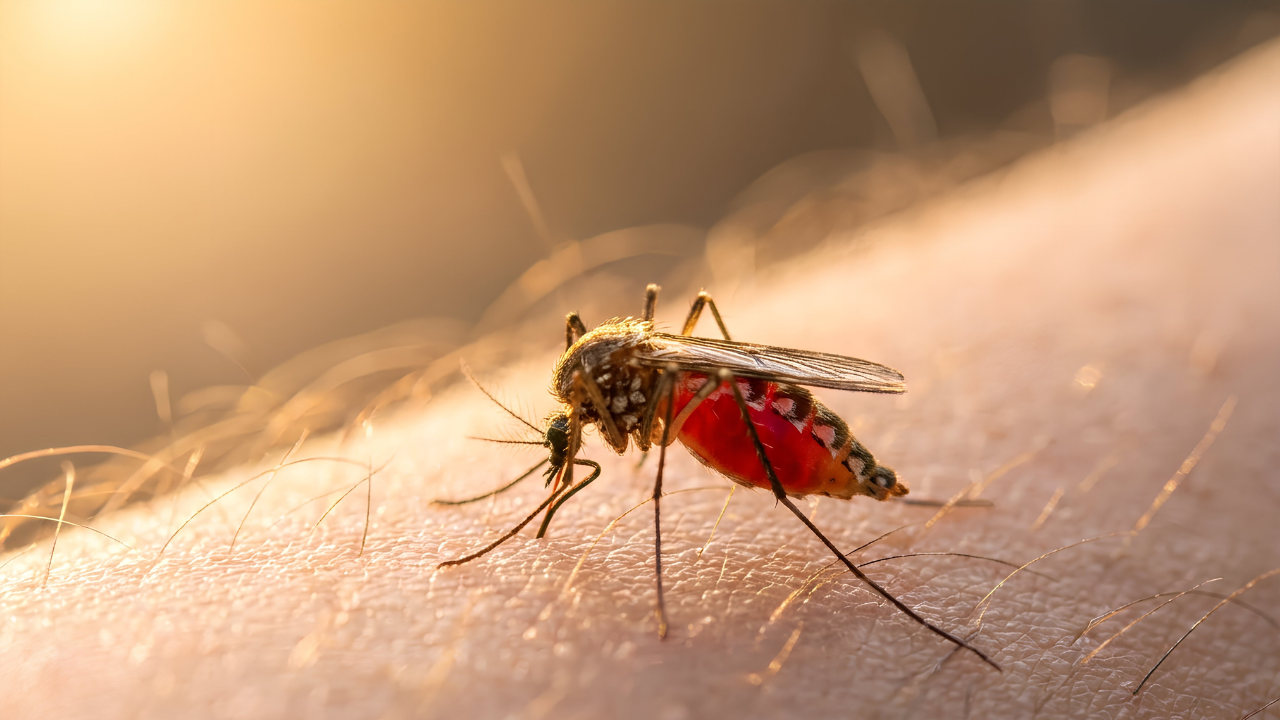
If citronella candles, a porch fan, and a few cans of spray are not keeping the mosquitoes off your patio, it is not because you are doing it wrong. Those fixes only push mosquitoes around for an hour or two. To actually get rid of mosquitoes in your yard, you have to remove where they breed and treat where the adults rest during the day, which is the core of how professional mosquito control works. Here is why the usual do-it-yourself tricks fall short and what genuinely moves the needle.
Why DIY mosquito control usually fails
Most home methods target the wrong thing. They aim at the adult mosquitoes buzzing around you, while ignoring the eggs and larvae developing in water nearby. A single female can lay hundreds of eggs, and in our summer heat those can become biting adults in under a week. So you kill the ones in front of you and a fresh batch hatches a few days later.
Here is what each common fix actually does:
Citronella candles and torches only protect the small pocket of air right around them, and a light breeze cancels them out.
Bug zappers mostly kill harmless insects. Studies have found mosquitoes make up a tiny fraction of what they catch.
Store-bought hose-end sprays knock down adults for a day or two but do not reach the breeding sites or the shady spots where mosquitoes rest.
Ultrasonic repellers have repeatedly been shown not to work on mosquitoes.
None of them break the breeding cycle, so the problem resets every few days.
Step 1: Dump the standing water
This is the single most effective thing you can do, because mosquitoes need water to breed and they only need a little. They can develop in as little as a bottle cap of water.
Walk your yard once a week and empty or remove:
Plant saucers, buckets, and watering cans
Clogged gutters and low spots that hold water
Birdbaths, pet bowls, and kiddie pools (refresh these often)
Tarps, toys, and trash can lids that collect rain or sprinkler runoff
Drain trays under potted plants on the patio
In Orange County, overwatered lawns and drip systems are a quiet culprit. If water is pooling in the yard a day after watering, dial back the schedule.
Step 2: Clean up the shady resting spots
Adult mosquitoes do not spend the day in the open. They rest in cool, shaded, humid areas and come out to bite at dawn and dusk. Dense shrubs, tall grass, ivy, and the shady side of the house are their daytime hideouts.
Trim back overgrown plants, mow regularly, thin out dense ground cover, and clear leaf litter. The more you open up those damp, shaded pockets, the fewer places mosquitoes have to wait out the day.
Step 3: Treat the areas they actually use
Even a tidy yard can stay buggy if your neighbors have standing water or if there is a creek, storm drain, or greenbelt nearby. This is where a professional treatment does what the hose-end sprays cannot.
A real mosquito program treats the shaded resting areas where adults hide and targets the breeding sources on your property, then repeats on a schedule through the season so new generations do not take hold. We use targeted, responsible applications placed where mosquitoes live, not a blanket spray over the whole yard. If you want to understand why some yards are worse than others, our piece on why local yards attract mosquitoes digs into the specifics.
Why ongoing treatment beats one-and-done

Mosquito pressure does not stop in July. Our warm Southern California stretch keeps them active well into fall, and a single treatment only clears what is present that week. Recurring service is what keeps a yard usable all season, because it stays ahead of each new hatch instead of reacting after the bites start.
Our prevention plans include recurring mosquito treatment timed to the season, with free retreatments between visits and no long-term contract. If the first visit does not deliver, you get your money back.
Want your backyard back before the next gathering? Call us at (949) 943-5000.
Frequently asked questions
What actually gets rid of mosquitoes in a yard? Removing standing water where they breed, clearing the shady spots where adults rest, and treating those areas on a recurring schedule. Candles, zappers, and ultrasonic devices do not address the breeding cycle, so they do not produce lasting results.
Why do I have so many mosquitoes even though my yard is clean? Mosquitoes breed in very small amounts of water and can fly in from a neighbor's yard, a storm drain, or a nearby greenbelt. Plant saucers, clogged gutters, and overwatered areas on your own property are also common hidden sources.
How long does professional mosquito treatment last? A treatment typically keeps activity down for several weeks, which is why service is scheduled to repeat through the season. The recurring cadence is what keeps new hatches from rebuilding the population.
Are mosquito treatments safe for pets and kids? We use EPA-registered products applied responsibly and placed in targeted areas rather than blanketed everywhere. We will walk you through any short reentry time so your family and pets stay safe.
When is mosquito season in Orange County? Mosquitoes are most active from late spring through fall here, with summer being the peak. Our mild climate can keep them around longer than in cooler regions, so prevention through the warm months matters.
