
How to Get Rid of Sewer Roaches This Summer
If you keep finding big roaches near your drains, in the bathroom, or in the garage during summer, those are sewer roaches, and the way to get rid of them is different from a typical kitchen roach problem. They are not coming from your pantry. They are climbing up through your plumbing and drain lines from outside. To stop them for good you have to block those pathways and treat the points where they enter, which is exactly what our cockroach control service is set up to handle. Here is what is going on and how to shut it down.
What are sewer roaches?
"Sewer roach" is the common name for large roaches that live in sewers, drains, and damp outdoor areas and then make their way into homes. In our area these are usually American cockroaches, the big reddish-brown ones up to two inches long. People also call them water bugs or palmetto bugs.
Unlike German cockroaches, which breed indoors in kitchens, sewer roaches mostly live outside in the sewer system, storm drains, water meter boxes, and damp mulch. They come inside looking for water or to escape heat, which is why summer is their busy season.
Why they show up in summer
A few things line up in the warm months. Heat and dry weather push these roaches out of the sewers and drains in search of moisture, and your cool, damp pipes are an easy target. Summer is also their peak breeding and activity period, so there are simply more of them moving around.
The most common ways they get in:
Up through floor drains, especially in garages, laundry rooms, and rarely used bathrooms
Through dry P-traps in sinks, showers, and floor drains that are not used often
Around gaps where pipes pass through walls and floors
Through sewer line cracks and uncapped cleanout pipes
Step 1: Cut off the water and the smell
Sewer roaches are chasing moisture. Fix dripping faucets and running toilets, dry out the area under sinks, and run the bathroom fan to cut humidity. Clean your drains so there is no organic gunk feeding them on the way up.
A simple but overlooked fix: pour water down any drain you rarely use, like a guest bathroom or a garage floor drain, once a week. The water in a P-trap is what blocks roaches from climbing up the pipe, and when a trap dries out, you have basically left the door open.
Step 2: Seal the entry points
This is the step that actually keeps them out long term. Cover floor drains with fine mesh screens or a drain cover that still lets water through. Seal the gaps where pipes enter walls and floors with caulk or steel wool. Cap any open cleanout pipes outside, and have a plumber check for cracks if you suspect a damaged sewer line.
If you only treat the roaches and skip the sealing, new ones simply climb the same pipes a week later.
Step 3: Treat the entry zones and the exterior
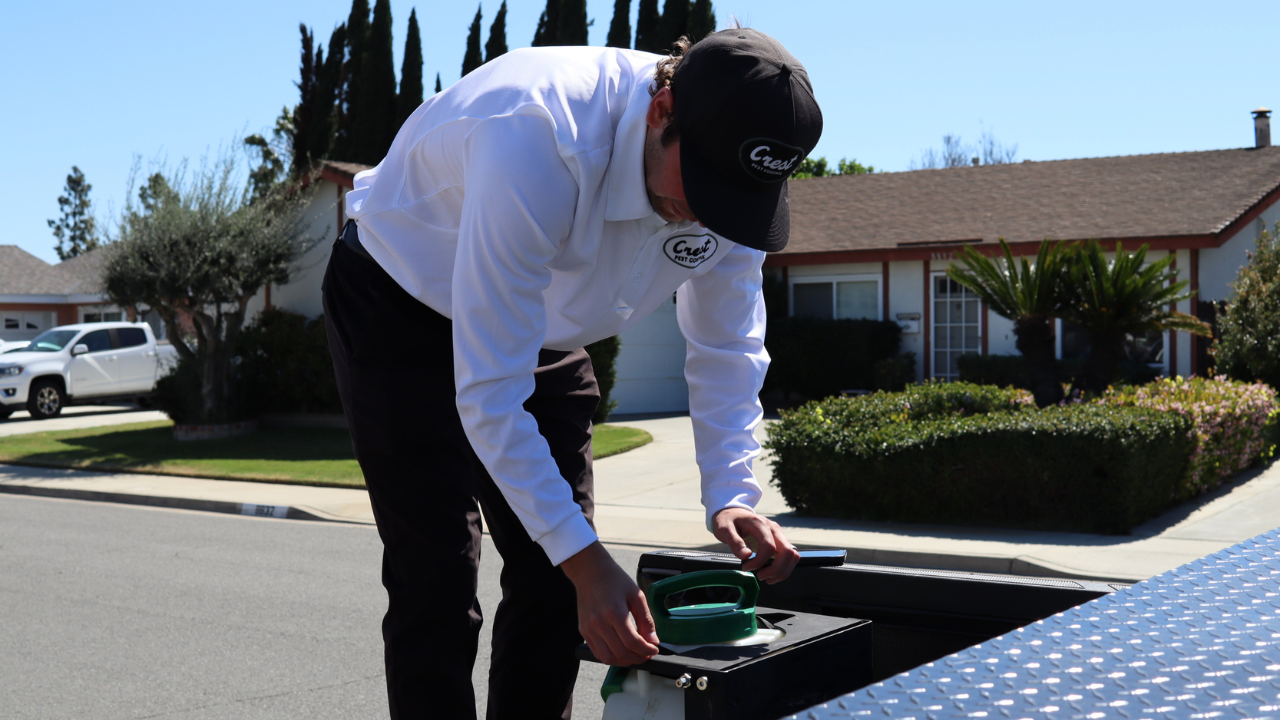
Because sewer roaches come from outside and travel through plumbing, the treatment needs to hit those pathways, not just the kitchen. We treat around drains, plumbing penetrations, and the exterior perimeter, and we place targeted product in the harborage spots where these roaches gather, like water meter boxes and mulch beds against the house.
This is also where do-it-yourself sprays fall short. They handle the one roach you see in the bathroom but do nothing about the population living in the drain system outside. For the broader picture on what draws roaches in, our guide on what attracts cockroaches and our walkthrough on how to get rid of cockroaches in your home cover the rest.
When to call Crest
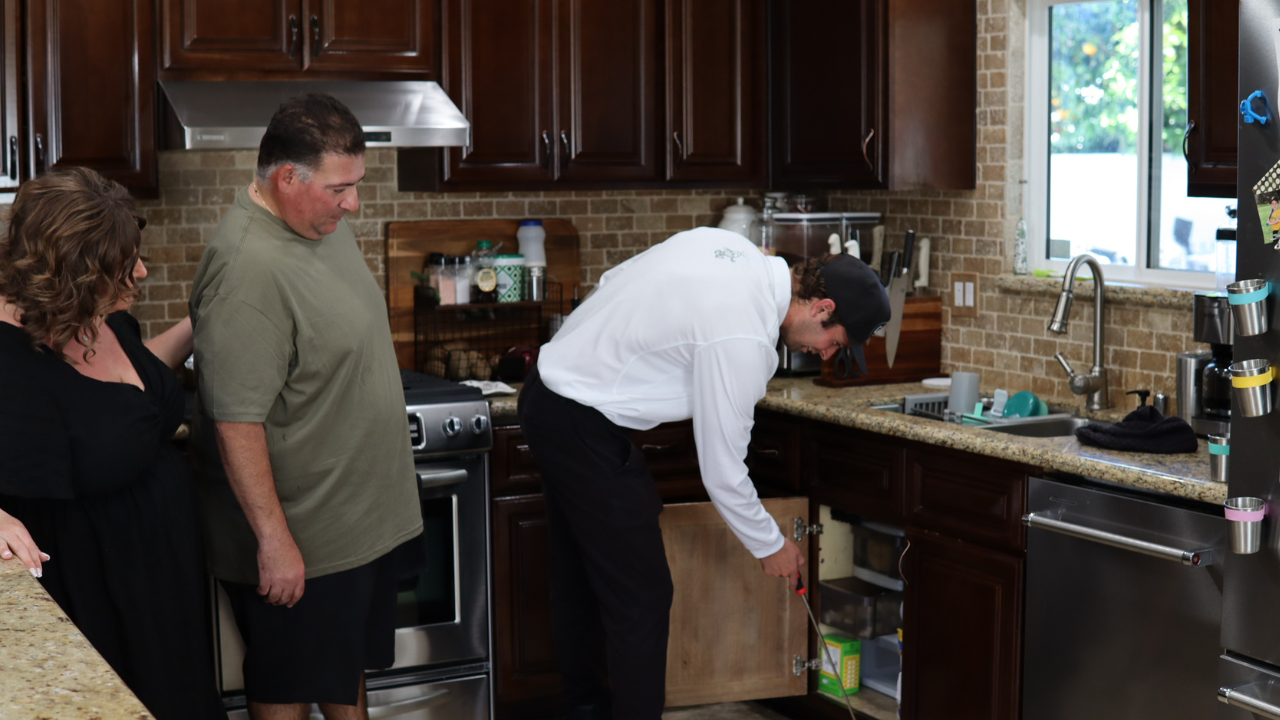
If you are seeing large roaches near drains more than once, or finding them in multiple rooms, it is time to bring in a professional. A recurring sighting usually means there is a steady pathway from the sewer or drain system into your home, and that needs to be found and sealed, not just sprayed.
We track down how they are getting in, treat the entry points and exterior, and keep watch through the season with recurring service. Our plans include free retreatments between visits, no long-term contract, and a full refund on your first visit if you are not happy.
Tired of meeting a giant roach in the bathroom at night? Call us at (949) 943-5000.
Frequently asked questions
What is the difference between sewer roaches and regular cockroaches? Sewer roaches, usually American cockroaches, are large and live mostly outdoors in sewers, drains, and damp areas, entering homes through plumbing. German cockroaches are smaller and breed indoors in kitchens and bathrooms. The control approach is different for each.
Why do I see roaches near my drains in summer? Heat and dry conditions drive sewer roaches out of drains and sewers in search of moisture, and your cool, damp pipes draw them in. Summer is also their peak activity season, so sightings go up.
Can roaches really come up through the drain? Yes. They travel up drain lines and through floor drains, especially when a P-trap dries out and loses the water barrier that normally blocks them. Keeping traps full and screening drains helps stop this.
How do I keep sewer roaches out for good? Seal pipe gaps and floor drains, keep P-traps full of water, fix moisture problems, and treat the exterior and entry points. Ongoing prevention keeps new ones from climbing the same pathways.
Are sewer roaches dangerous? They do not bite, but they travel through sewers and drains and can carry bacteria onto surfaces, which is a hygiene concern in kitchens and bathrooms. Removing them promptly is the safer choice.
