
Fall Pest Control Checklist for Orange County Homes

Fall pest control comes down to two jobs: close the gaps pests use to get in, and take away the food, water, and shelter that make your house worth the trip. Do both before the first cool nights and you skip most of what shows up in December. Our pest prevention plan covers the recurring side of this, but plenty of it you can knock out yourself in a weekend.
Orange County fall does not look like fall anywhere else, and that trips people up. There is no hard freeze to kill anything off. What we get instead is a shift: warm days, cool nights, Santa Ana winds in October, then the first real rain sometime in November. Every one of those pushes pests toward the one warm, dry, well-stocked building on the property.
Here is the order we would work through it.
Start outside, because that is where the problem starts
Almost everything that becomes an indoor pest problem in January is standing outside your wall in October. So the exterior comes first.
Walk the perimeter of your house slowly and look at it the way a mouse would. You are hunting for openings, and they are smaller than you think. A house mouse gets through a gap the width of a pencil. A rat needs about the size of a quarter.
Check these spots specifically:
Where pipes, gas lines, cables, and AC line sets pass through the wall
The bottom corners of the garage door, where the weather seal wears out first
Vents, roof edges, and the gap where the fascia meets the eave
Under exterior doors, especially side gates and laundry room doors
Around the dryer vent and any old satellite or irrigation penetrations
Seal small openings with steel wool packed into caulk. Cover larger ones with hardware cloth or metal flashing. Expanding foam on its own does not hold. Rodents chew through it and through plastic without slowing down.
Cut back the cover pests travel through
Once the gaps are closed, take away the routes. Pests do not like crossing open ground, so overgrown landscaping is what gets them from the yard to your wall in the first place.
Trim tree limbs so they do not touch the roof, since a branch is a direct bridge into the attic and roof rats use it. Pull ivy, bougainvillea, and heavy ground cover back off the foundation. Move firewood, planter bags, and stored boxes off the ground and away from the house. Then clear the corners of the garage, which is where a lot of OC nests actually get started.
This is also the month to deal with webs. Spiders build heavily in fall because that is when their insect food peaks, and a web left up collects more insects, which brings more spiders. Knocking down webs around eaves, patio covers, doorways, and outdoor kitchens breaks that loop. Our spider control service includes web removal on every visit for exactly this reason.
Fix the water before the rain arrives
Water matters more than food for a lot of pests, and it is the easiest thing to overlook in a climate this dry.
Check for dripping hose bibs and leaking irrigation heads. Clear the gutters before November so rain actually leaves the roof instead of sitting in a trough of wet leaves, which is a good home for earwigs, roaches, and mosquitoes. Empty anything holding standing water in the yard: plant saucers, buckets, wheelbarrows, the tarp over the patio furniture.
When the first storm hits, ants that were happily living in your soil get flooded out and come looking for high, dry ground. That is why so many OC homeowners see their first big ant trail of the season the week after a rain, not in the middle of summer.
Then handle the inside
With the outside tightened up, the interior work is mostly about not giving anything a reason to stay.
Move pantry staples into sealed containers. Rice, flour, cereal, and pet food are the four that cause the most trouble. Wipe counters and sweep under the toaster and the fridge before bed, because crumbs are what turn a scouting ant into a trail. Take trash out at night rather than letting a full can sit until morning.
Then check the quiet places. Under the sink, behind the water heater, the back of the pantry, the corner of the garage where nobody looks. You are looking for droppings, gnaw marks, shed skins, or a musty smell. Finding any of that now is a much easier problem than finding it in February.
If you feed pets outside, bring the bowl in after they eat. Overnight pet food in an OC garage is one of the most reliable rodent draws we see.
The month-by-month version
If you would rather work by calendar than by zone:
September: Seal exterior gaps, trim back landscaping and roof-touching branches, get pantry items into containers.
October: Clear webs from eaves, patios, and doorways. Check the attic and garage for early rodent signs. Santa Ana winds move a lot of insects around this month, so expect more activity at doors and windows.
November: Clean gutters and fix leaks before the rain. Expect ants after the first storm. Watch for scratching in walls and ceilings at night, which is usually the first sign of rodents that got in.
December: Check stored decorations for droppings before you bring boxes inside, and reseal anything you opened up during the year.
What we actually find on fall service visits
The pattern is consistent enough that our technicians know what to look for by the calendar. Early fall calls are mostly spiders and the insects feeding them. By late October it shifts to rodents, and by the time the rain starts it is rodents plus ants and the occasional roach that came up a sewer line.
The homes that stay quiet through winter are almost always the ones where the exterior got sealed in September. Sealing is unglamorous and it works better than anything you can spray.
When to bring in a professional
You can do the checklist above yourself and it will help. Call us when one of these is true:
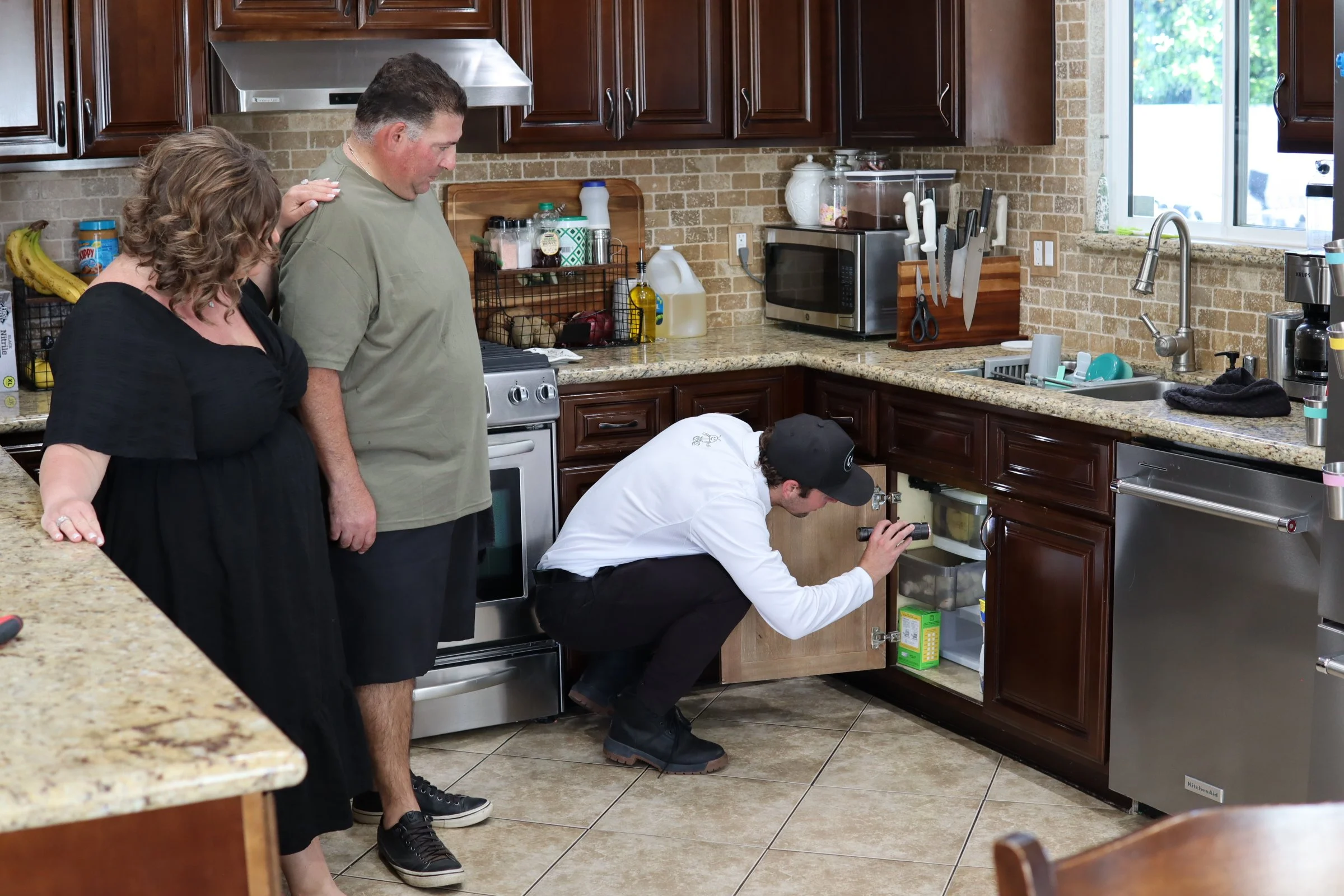
You are hearing activity in the walls or attic. By the time you hear it, there is usually a nest, and traps alone rarely finish it because new rodents come in through the same openings. Our rodent control and exclusion service finds and seals the entry points, not just the animals.
You have sealed and cleaned and the problem keeps coming back. That usually means the source is outside your property line or in a spot you cannot reach.
You are not comfortable on a roof or in a crawlspace. Fair enough. That is most of where the work is.
If you want the seasonal version handled for you, request a free quote or call (949) 943-5000. We will inspect the property, tell you what we find, and give you a straight number before anything gets treated. No contract, and if pests come back between visits we come back too.
Want to go deeper on the rodent side before the season turns? Start with how to rat-proof your Orange County home before fall.
Frequently asked questions
When should fall pest control start in Orange County?
September. Because the county has no hard freeze, pests stay active and simply move indoors as nights cool. Sealing and prevention work done in September and early October is what keeps December quiet.
What pests are worst in Orange County in the fall?
Spiders peak first, then rodents as temperatures drop. Ants surge after the first rain, and cockroaches show up more indoors once outdoor conditions get cool and wet.
Do I still need pest control in the fall and winter here?
Yes, and arguably more than in summer. Pest pressure does not go away in a mild climate, it relocates. Summer problems happen in the yard. Fall and winter problems happen inside the walls.
Does rain make pests worse in Southern California?
It moves them. Rain floods ant colonies and drives them to higher, drier ground, which is often a house slab or a wall void. It also pushes roaches out of drains and irrigation boxes.
Can I do fall pest prevention myself?
Much of it, yes. Sealing gaps, trimming landscaping, clearing webs, and containing food are all homeowner jobs. What is harder to do alone is a full exterior treatment, attic and crawlspace work, and finding every entry point on a two-story house.
