
How to Rat-Proof Your Orange County Home Before Fall

The fastest way to keep rats out of your house is to close the gaps they use and remove the food and water pulling them in, and the time to do it is now, before the first cool nights. Once temperatures drop in the fall, rats start looking for a warm, dry place with a steady meal, and your attic, garage, and walls all qualify. A little prevention in September and October saves you from a much harder problem in December. If rats are already inside, our rodent control and exclusion service handles the trapping and sealing for you.
Here is how to make your home a poor target before the season turns.
Why rats head indoors in the fall
Rats are not trying to invade your home. They are following warmth and food. Through the summer they get by outdoors, but as Orange County nights cool and their outside food sources dry up, a heated house with an unsecured pantry looks a lot better than a cold yard. That is why calls for rats spike in fall and winter, not summer.
The good news is that this is predictable. Because you know the pressure is coming, you can shut the door on it while the weather is still warm and the rats are still outside.
Seal the gaps rats use to get in
A rat can squeeze through a hole the size of a quarter, and a young rat needs even less. Sealing those openings is the single most effective thing you can do, because a rat that cannot get in cannot nest.
Walk your home's exterior and look for these common entry points:
Gaps where pipes, cables, or gas lines pass through the wall
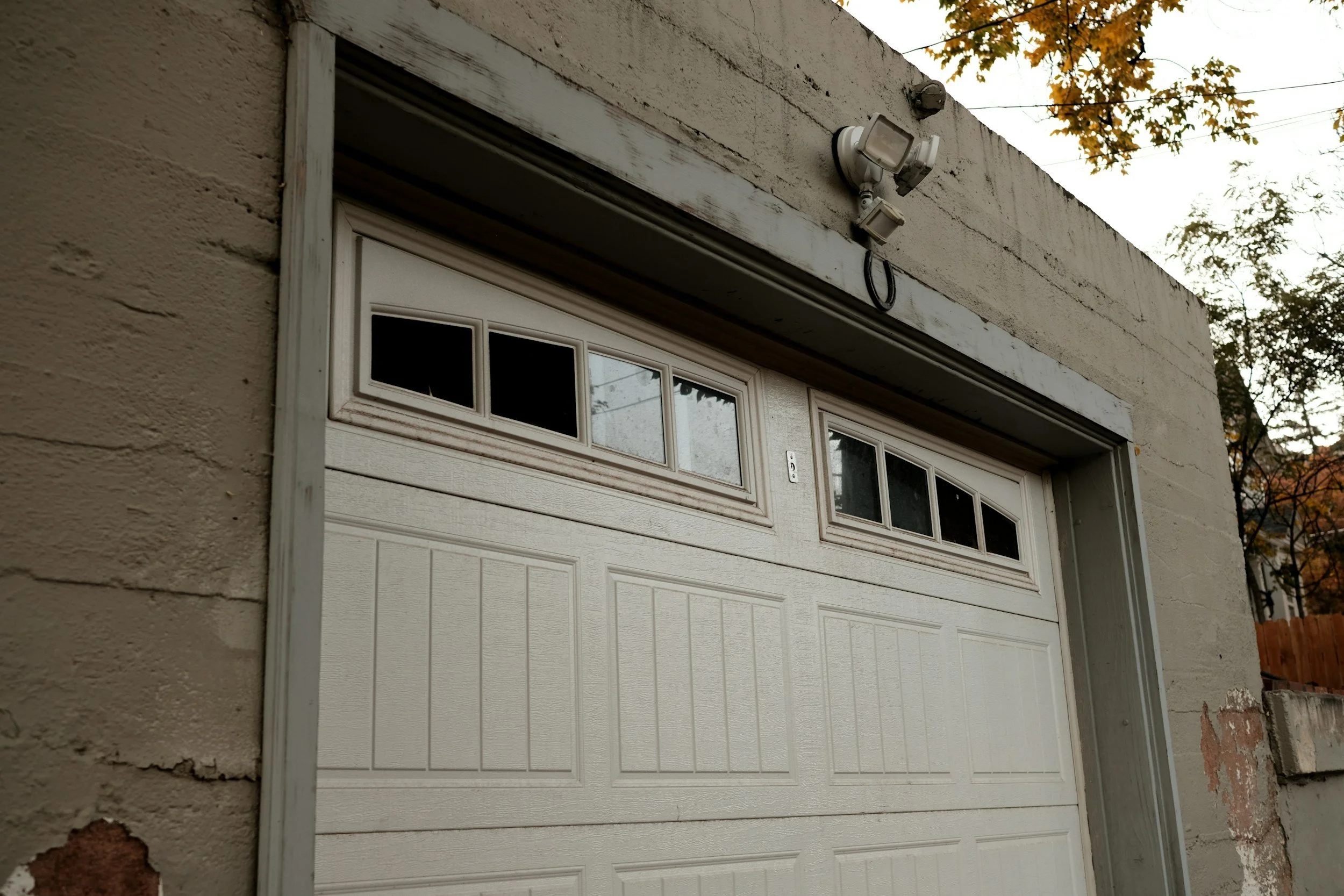
Spaces under and around garage doors, especially at the bottom corners
Vents and roof edges where the fascia meets the eaves
Cracks in the foundation or gaps under exterior doors
Openings around your dryer vent or AC line set
Seal small gaps with steel wool packed into caulk, and cover larger ones with hardware cloth or metal flashing. Skip the expanding foam alone and skip plastic. Rats chew straight through both. The goal is a material they cannot gnaw, placed everywhere they might try.
Cut off the food and water
Once the doors are closed, take away the reasons to keep trying. Rats can live on very little, so small habits matter more than you would think.
Inside, move pantry staples like rice, cereal, and pet food into sealed containers, and clean up crumbs and spills before bed. Outside, keep trash bin lids latched, pick fruit up off the ground, and store birdseed in metal. Fix dripping hose bibs and outdoor faucets too, because a reliable water source is often what makes a rat settle in for good.
Pet food left in the garage overnight is one of the most common draws we see on OC properties. If you feed pets outside, put the bowl away after they eat.
Clean up the cover around your home
Rats want to travel without being seen. Dense landscaping and clutter give them exactly that, so trimming it back removes their highway to your walls.
Cut tree limbs back so they do not touch the roof, since a branch is a bridge straight into your attic. Pull ivy and heavy ground cover away from the foundation, keep firewood and stored boxes off the ground and away from the house, and clear out the corners of the garage where nests get started. The more open space around your home, the less comfortable a rat feels approaching it.
Signs a rat has already moved in
Prevention is the goal, but it helps to know what an early infestation looks like so you can act fast. Watch for droppings along walls or in the back of cabinets, gnaw marks on wood or wiring, a musky smell, or scratching and scurrying sounds in the attic or walls at night. Dark grease marks along baseboards where rats travel are another common tell.
If you are trying to figure out what you are dealing with, rat droppings look different from mouse droppings, and telling them apart helps you and your technician target the right approach.
When to call a professional
Sealing and cleanup keep most rats out, but if you are already hearing activity in the walls or finding droppings, DIY traps usually only catch the slow ones while the colony keeps growing behind them. Rats breed fast, and a handful in the attic in October can be a real problem by the new year.
A professional does two things a store-bought trap cannot: finds and seals every entry point so new rats cannot replace the ones removed, and sets up interior trapping plus exterior monitoring so the problem actually ends. Our technicians average about ten years in the field and know the spots rats exploit on local homes. If you want to head off the season or you already suspect activity, request a free quote or call (949) 943-5000 and we will start with an inspection.
Frequently asked questions
When should I rat-proof my house in Orange County? Early fall is the ideal window. Seal entry points and remove attractants in September or October, before cooling weather pushes rats to look for shelter indoors. Prevention before the season beats treatment after an infestation starts.
What smell keeps rats away? Strong scents like peppermint oil are often suggested, but they are a weak, short-lived deterrent at best. A determined rat will ignore them. Sealing entry points and removing food and water is far more reliable than any scent.
How do rats get into a house? Through gaps as small as a quarter: openings around pipes and vents, spaces under garage doors, cracks in the foundation, and roof edges. They also climb tree branches that touch the roof and enter through the attic.
Can I get rid of rats myself? You can catch a few with traps, but if rats are nesting inside, trapping alone rarely ends it because they breed quickly and new ones enter through the same gaps. Lasting control combines sealing every entry point with ongoing trapping and monitoring.
Are rats worse in Orange County in the fall? Yes. Rat activity indoors climbs in fall and winter as temperatures drop and outdoor food gets scarce. That seasonal pressure is why rat-proofing before fall is so effective.
