
Warehouse and Industrial Pest Control in the Inland Empire
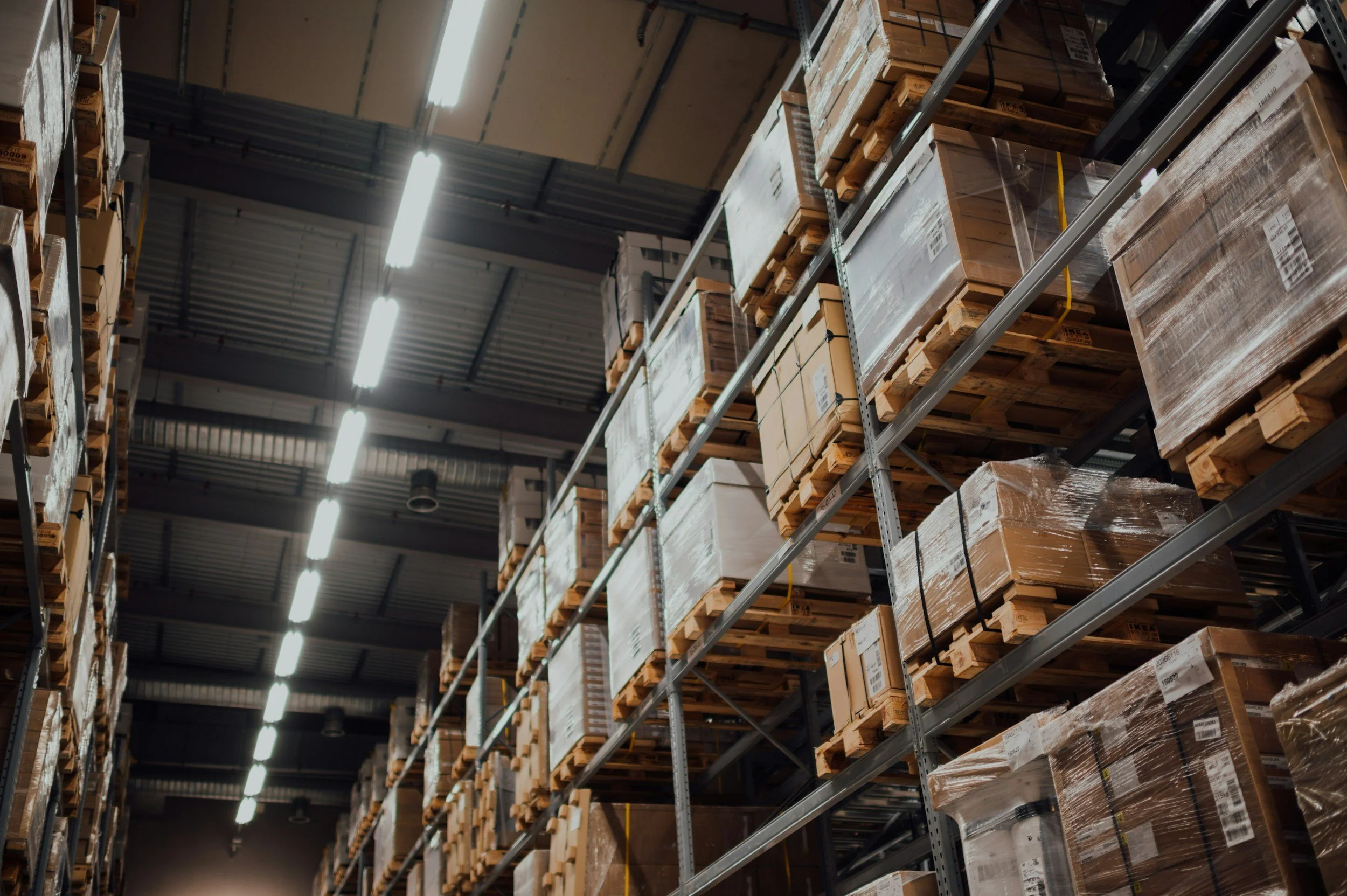
Warehouses and industrial facilities carry more pest risk than almost any other property type, and in the Inland Empire the pressure is heavier still. Wide open dock doors, constant inbound shipments, and huge square footage give rodents and insects endless ways in, and the hot inland climate keeps them active. A real industrial program manages that risk with exterior rodent control, interior monitoring, and documentation you can hand an auditor. Our commercial pest control team builds programs around exactly these facilities.
If you manage a warehouse or industrial site, here is what actually keeps it protected and what to expect from a provider.
Why industrial sites attract pests
Everything that makes a warehouse efficient also makes it inviting to pests. Loading docks stand open through the workday, trucks arrive from all over carrying whatever came aboard, and the sheer size of the building means countless entry points and hiding spots. Add stored product, and pests have food, shelter, and access all in one place.
The Inland Empire adds its own factor. The region is a national logistics hub with an enormous concentration of warehouses, and the hot, dry climate drives rodents indoors toward the cooler, sheltered interior. That combination is why facilities here need a program built for the environment, not a scaled-up home treatment.
Rodents are the number one risk
For warehouses, rodents are the biggest and most expensive threat. Rats and mice contaminate stored product, chew through packaging and wiring, and can shut down a line or fail an audit. Chewed electrical wiring is also a genuine fire risk.
Controlling them takes a perimeter-first approach: a ring of exterior monitoring and bait stations that intercept rodents before they reach the building, backed by interior traps and monitoring at the dock doors and along interior walls where they travel. Our rodent control and exclusion work is the backbone of most industrial programs we run. Sealing gaps around dock levelers, utility penetrations, and doors is just as important as trapping, because an unsealed dock is an open invitation.
What a real industrial program covers
Beyond rodents, a complete program manages the insects that come with an industrial environment: cockroaches in break rooms and utility areas, ants pushing in from the heat, stored-product pests in certain facilities, and flies around waste. The plan should be built from an assessment of your specific operation, not a template.
Expect a provider to map your facility, identify the high-risk zones, and set a treatment and monitoring schedule that fits how the site runs. Placement and frequency matter more than volume of product. The goal is steady pressure that keeps populations from ever establishing, not a big reactive spray after a problem appears.
Documentation you can hand an auditor
In an industrial setting, the paperwork is part of the service, not an afterthought. If your facility faces audits, third-party certifications, or customer requirements, you need a documented pest management program on file: service records after each visit, a map of device placements, trend reporting on activity, and corrective-action notes.
That documentation is what turns "we have someone come by" into a defensible program during an audit. Ask any provider how they handle reporting before you sign, because for a warehouse it is often the difference between passing and failing a review.
Scheduling and safety around operations
A good industrial provider works around your operation. That can mean servicing during a specific shift, coordinating around inbound and outbound schedules, and following your site's safety and access requirements. Technicians should show up professional, badge in properly, and work without disrupting the floor.
Discretion and reliability matter here as much as the treatment itself, because a facility running around the clock cannot absorb surprises.
Why a local Inland Empire partner helps

The IE warehouse market is enormous, and a local partner who knows the region responds faster and understands the local rodent and pest pressure better than a distant call center.
You get technicians who know your site and can be there quickly when something comes up before an audit or a big shipment.
We serve warehouses and industrial facilities across the Inland Empire from our Upland office. You can check our service area to confirm we cover your location. To see how a program would fit your facility, request a free quote or call (909) 581-4615 and we will start with a walkthrough.
Frequently asked questions
What is the biggest pest risk for warehouses? Rodents. Rats and mice contaminate stored product, chew packaging and wiring (a fire risk), and can cause an audit failure. Control combines exterior monitoring and bait stations with interior trapping and sealing of dock and utility gaps.
Why does the Inland Empire have heavy warehouse pest pressure? The IE is a major logistics hub with a dense concentration of warehouses, and its hot, dry climate drives rodents and insects indoors toward sheltered interiors. High shipment volume and constant open dock doors add entry points.
Does industrial pest control include documentation for audits? It should. A real program provides service records after each visit, a device placement map, activity trend reporting, and corrective-action notes. That documentation is what supports the facility during audits and certifications.
How often should a warehouse be serviced? Most facilities are on a monthly program with more frequent attention to high-risk zones like dock doors and waste areas. The right frequency comes from an assessment of the specific site rather than a default schedule.
Can pest control work around our operating hours? Yes. A commercial provider schedules service around your shifts and shipment windows, follows your site safety and access rules, and works discreetly so the floor is not disrupted.
