
HOA Pest Control: How Communities Keep Common Areas Pest-Free
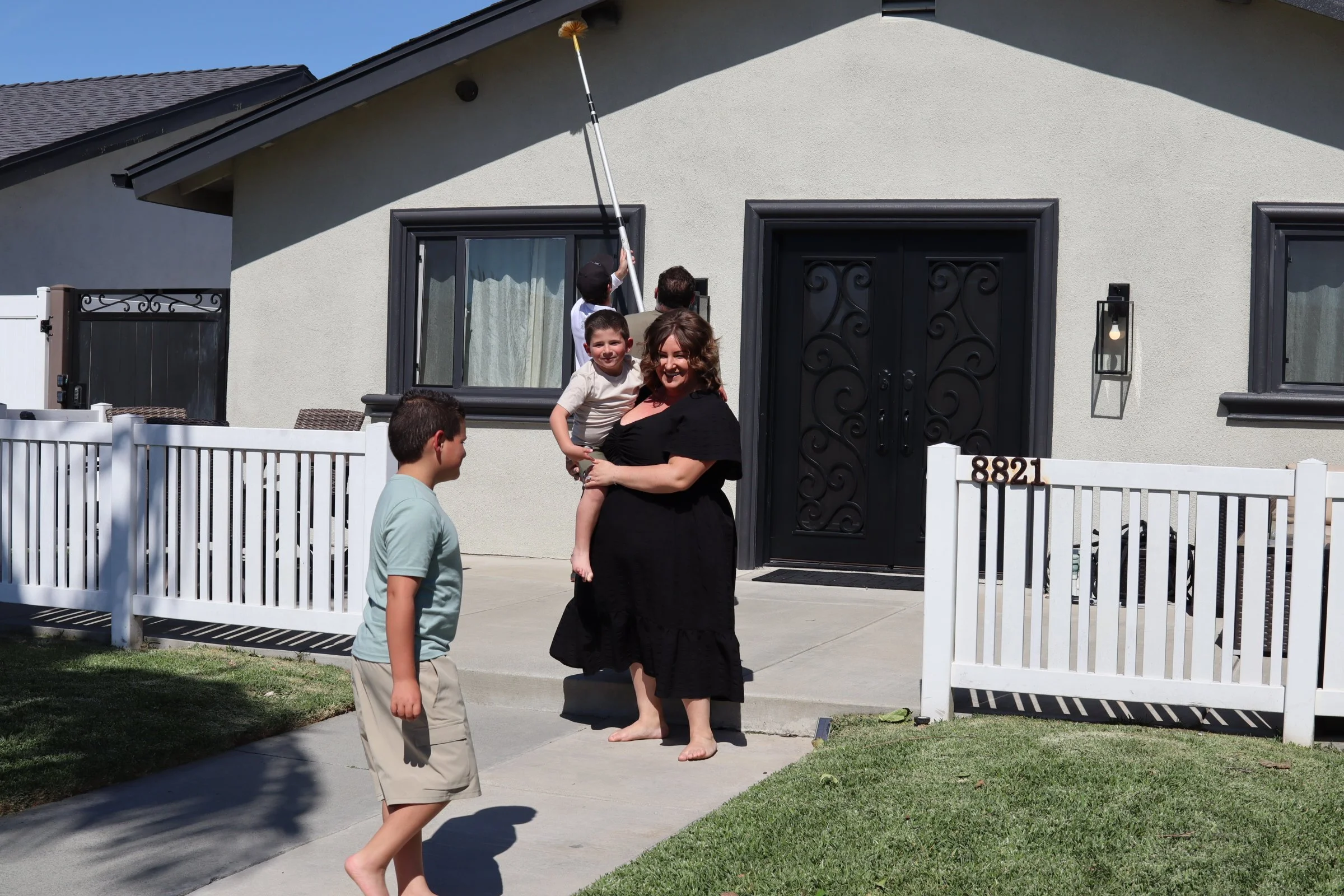
For a homeowners association, pest control is a shared responsibility with real stakes: protecting property values, keeping residents happy, and avoiding liability in common areas the association owns. The way communities stay ahead of it is a proactive, community-wide program that covers shared spaces on a schedule, rather than reacting to complaints one unit at a time. Our commercial pest control program is built for exactly this kind of managed property.
If you sit on a board or manage a community, here is how effective HOA pest control actually works and what to look for in a provider.
Why HOA pest control is different from home service
A single-family home has one owner making one decision. An HOA has shared spaces, multiple stakeholders, and a line between what the association handles and what individual owners handle. That structure changes everything about how pest control has to be delivered.
The association is typically responsible for common areas: clubhouses, pools and pool decks, landscaping and green belts, mailrooms, parking structures, and shared exterior spaces. Individual owners usually handle the inside of their own units. A good program is clear about that boundary so nothing falls through the cracks and residents know who to call.
What common areas need coverage
Pests do not respect unit lines, and a problem in a shared space quickly becomes everyone's problem. The spaces that need consistent attention include:

Clubhouses and community rooms, especially kitchens and event spaces
Pool areas and restrooms, which draw wasps, ants, and rodents
Landscaping, green belts, and retention basins where rodents and ants nest
Trash enclosures and dumpster corrals, a top attractant for rodents and roaches
Parking structures, mailrooms, and shared storage
Trash areas and landscaping are the two that cause the most trouble, because they are constant food, water, and shelter sources. A program that treats these consistently prevents the pressure from ever reaching residents' doors.
The value of a proactive, scheduled program
The difference between a well-run community and a constant complaint cycle usually comes down to whether pest control is proactive or reactive. Waiting for residents to report a problem means the pest is already established, the community is already unhappy, and the fix is bigger.
A scheduled program treats common areas on a regular cadence so populations never build up, catches early signs before residents notice, and gives the board a documented, budgetable line item instead of surprise emergency bills. It also protects the association from liability, because a documented, active pest management program shows the community took reasonable care. Communities with multiple buildings often benefit from the same portal-based visibility we offer larger multi-unit properties, so managers can see exactly what was treated and when.
What boards should expect from a provider
Not every pest control company is set up to serve a community. When your board evaluates providers, look for a few specific things.
Expect a real assessment of the property before any quote, a plan written for your specific common areas rather than a generic checklist, and clear documentation after each visit so the board has a record. Ask how they communicate with residents when treatment affects a shared space, how they handle after-hours or event scheduling, and whether they know the local pest pressure. A provider who cannot answer those questions is not ready for a community account.
Working with a local partner
National franchises can staff a route, but a local partner tends to be more responsive when a board needs something handled before a big community event or an inspection. You get people who know your property and the local pest patterns, not a call center and a rotating cast of technicians.
That responsiveness matters most in the moments that make residents judge the board: a wasp nest by the pool before a summer weekend, ants in the clubhouse kitchen before an event, rodents in the trash enclosure. We work with property managers and boards across Orange County and the Inland Empire on exactly these situations. To see how a program would fit your community, request a free quote or reach our team and we will start with a walkthrough.
Frequently asked questions
Who is responsible for pest control in an HOA? Typically the association handles common areas it owns, such as clubhouses, pools, landscaping, and trash enclosures, while individual owners handle the inside of their own units. The exact split is defined in the community's governing documents, so a good program makes that boundary clear.
How often should HOA common areas be serviced? Most communities are served on a monthly or bi-monthly schedule, with high-risk areas like trash enclosures and pool areas getting more attention. The right cadence comes out of an initial property assessment rather than a default plan.
What are the biggest pest problems for HOAs? Trash enclosures and landscaping cause the most issues, drawing rodents, ants, and cockroaches. Pool areas attract wasps and ants, and clubhouses with kitchens can develop roach and ant problems. Consistent treatment of these shared spaces prevents most complaints.
Does a documented pest program help with liability? Yes. A documented, active pest management program shows the association took reasonable care of its common areas, which supports the board if a pest-related issue is ever raised. Providers should supply a service record after each visit.
Can one provider handle a whole community? Yes. A commercial provider set up for managed properties can service all common areas on a coordinated schedule, communicate with residents and the board, and provide documentation, which is far more effective than owners arranging service piecemeal.
