
Pest Control for Apartment Complexes: A Property Manager's Guide
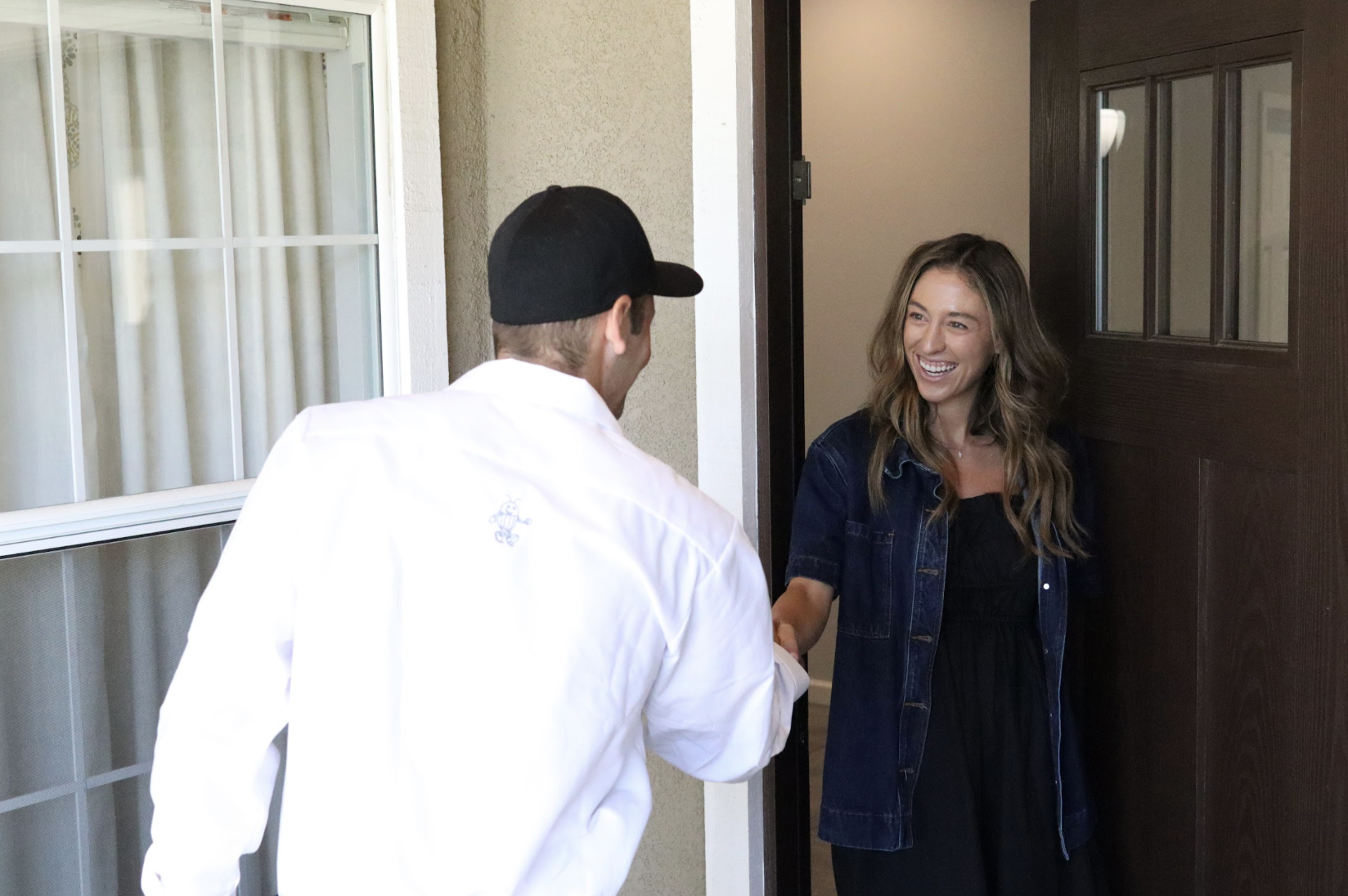
Managing pests across an apartment community is a different job than handling one home. Units share walls, plumbing, and voids, so a cockroach or bed bug problem in one apartment is rarely contained to that apartment. Treating a single unit and moving on tends to just push the problem next door. A building-wide plan is what actually holds, and that is how our apartment complex pest control is built.
If you manage a property, here is what a program that fits multi-unit living should include, and what to expect from a provider worth hiring.
Why unit-by-unit treatment fails
Pests do not respect lease lines. German cockroaches travel through shared plumbing chases and wall voids between units. Bed bugs move along baseboards and through outlets into the next apartment. Rodents use the same interior pathways to reach every unit on a floor.
When you treat only the unit that complained, you clear the visible problem while the source keeps feeding units around it. Weeks later you get a new complaint next door, and the cycle repeats. A property-wide approach treats the building as one connected system, which is the only way to get ahead of pests that move between units.
What a building-wide plan covers
A real multi-unit plan works on three levels at once.
First, the exterior perimeter of every building, because most pests start outside and move in. Second, the common areas and shared spaces like trash rooms, laundry rooms, utility chases, and landscaping, which are often where pressure builds. Third, the interior units, on a schedule that includes routine service for occupied units and thorough treatment of vacant units during turnover, when access is easy and problems are cheapest to solve.
Turnover is a moment property managers should never waste. An empty unit is the best possible time to inspect and treat before a new resident moves in.
Resident coordination that actually works
The hardest part of multi-unit pest control is access. A plan is only as good as your ability to get into the units that need service. A provider who works in apartments should help you here, not leave it on your desk.
That means clear resident notices, prep instructions residents can actually follow, and scheduling that groups service so technicians move efficiently through a building. Good communication also cuts down on the complaints that come from residents feeling surprised or left out. When residents know what is happening and why, cooperation goes up and repeat problems go down.
Documentation and visibility for managers
As a property manager, you need to know what was done, where, and when, without chasing your provider for updates. Every visit should produce a record: which units and areas were serviced, what was found, and what still needs follow-up.
Visibility is where we go further than most. Our client portal gives property managers a live view into treatments across the property, so you can see the history for any unit and show ownership a clear record whenever you need it. That transparency is something national franchises rarely offer, and it is one of the main reasons managers switch to us.
Handling the pests that drive apartment complaints

A few pests generate most of the calls in multi-unit housing. Cockroaches are the steady baseline, driven by shared plumbing and kitchens. Bed bugs are the highest-stress issue because they spread between units and carry a stigma, so they need fast, coordinated treatment across affected and adjacent units. Rodents show up where waste management and building gaps give them a foothold. Ants march in seasonally through shared exterior walls.
A building-wide program keeps all of these in check because it addresses the shared pathways, not just the unit that called.
Why property managers choose a local commercial partner
Turnover-ready scheduling, resident coordination, portal visibility, and fast response are easier with a local team than a national account. We know Orange County's pest seasons, we can get to your property quickly, and you deal with people who know your buildings.
If you want a plan scoped to your community, request a free quote or learn more about our commercial programs and we will start with a walkthrough of the property.
Frequently asked questions
Why not just treat the unit with the problem? Because pests move between units through shared walls, plumbing, and voids. Treating one unit clears the visible problem while the source keeps feeding nearby units. A building-wide plan is the only reliable way to stop the cycle.
How are residents notified before service? A good provider helps you issue clear notices and prep instructions and schedules service in groups so technicians move efficiently through each building. Strong communication is what keeps access high and complaints low.
When is the best time to treat a unit? During turnover, when the unit is vacant. Access is easy, treatment is thorough, and you catch any problem before a new resident moves in.
How do property managers track what was done? Every visit should generate a service record. Our client portal goes further by giving managers a live view of treatment history across the property, unit by unit, so you always have documentation on hand.
Which pests are most common in apartment communities? Cockroaches, bed bugs, rodents, and seasonal ants drive most complaints. Bed bugs are the most urgent because they spread between units and need fast, coordinated treatment.
