
Winter Pest Pressure in Santa Ana: What to Watch For
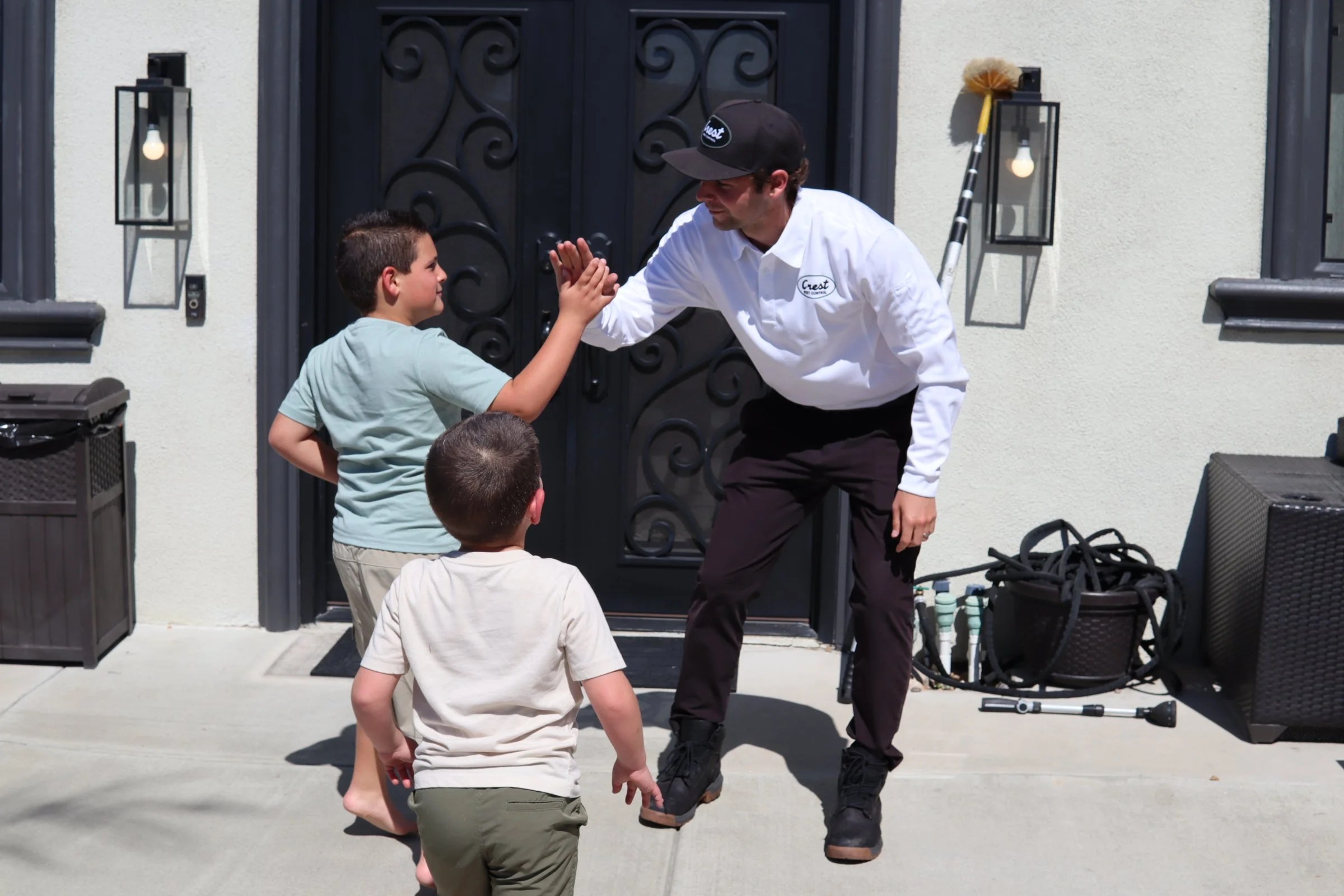
Santa Ana does not get a winter that kills pests off. What it gets is a winter that relocates them. Nights cool into the forties, the rain starts, irrigation gets dialed back, and everything that was living comfortably in your yard from June to September starts looking at your walls. That is why our busiest rodent months here are November through February, not July. Our Santa Ana pest control service shifts with that, and so should your own checklist.
If you read one thing: the summer problem was in the yard, the winter problem is inside the wall. Different pest, different fix, and a much smaller window to get ahead of it.
Why Santa Ana specifically
Santa Ana is one of the most densely populated cities in Orange County, and density changes the math. Homes sit close together, alleys and detached garages run behind whole blocks, and the housing stock ranges from 1920s craftsman homes in Floral Park and Wilshire Square to newer builds and a lot of multifamily.
That mix matters. Older homes in Floral Park, Wilshire Square, and Park Santiago have raised foundations, original crawlspaces, and utility penetrations that were sealed decades ago if at all. Mature street trees give roof rats a route to the roofline. Downtown and the denser apartment blocks near Cabrillo Park move pests between buildings rather than keeping them in one. And the whole city sits near the Santa Ana River corridor, which is a permanent rodent highway that fills up when the channel gets wet.
None of that is a problem in August. It all becomes one in November.
October: rodents start moving
This is the month the pressure shifts, and it is the one most people miss because the weather still feels like summer.
The first sign is sound. Scratching or scurrying in the attic or a wall at night, usually shortly after dark or before dawn. After that: droppings along walls and at the back of cabinets, gnaw marks on wood or wiring, dark grease marks along baseboards where rodents travel the same route, and a musky smell in a closed space like a garage or attic.
The rat you are most likely to have is a roof rat, which climbs. That means the entry point is usually high, not low. Check roof vents, the gap where fascia meets the eave, and anywhere a tree limb or fence reaches the roof.
What to do now: cut limbs back off the roof, seal gaps with steel wool packed in caulk or hardware cloth, and get pet food out of the garage overnight. If you are already hearing activity, traps alone rarely finish it, because the colony keeps replacing what you catch through the same opening. Our rodent control and exclusion service seals entry points first and traps second, which is the order that actually ends it.
November: the first rain, then the ants
The single most predictable pest event of the Santa Ana year is the ant surge that follows the first real storm.
Argentine ants nest in irrigated soil, under mulch, beneath pavers, and in irrigation valve boxes. Heavy rain floods those nests, and the colony moves to the nearest high, dry ground. Frequently that is a wall void or the gap under a slab. So you get a trail on the kitchen counter three days after a storm, in a month when you assumed pests were done for the year.
Spraying the trail makes it worse, not better. Argentine ants form connected supercolonies, and killing visible workers can split the colony into more trails. Baiting, plus pulling mulch and ground cover back off the foundation and fixing leaking irrigation, is what actually reduces it.
Also on the November list: clean the gutters before the rain, so you are not creating a wet trough of leaves for earwigs, roaches, and mosquitoes on your roofline.
December through February: roaches and the quiet problems
Cockroach calls do not stop in winter, they change type. American cockroaches, the big reddish-brown ones, come up out of sewer lines, storm drains, and irrigation boxes when it gets wet, or when a floor drain trap dries out and stops sealing. They are usually wandering in rather than breeding inside.
German cockroaches are the opposite and the more serious of the two. They breed indoors, stay near kitchen and bathroom warmth and moisture, and in a multifamily building they move between units through plumbing chases. Winter helps them, because the indoor environment stays stable while the outdoors does not. If you are seeing small light-brown roaches with two dark stripes behind the head, that is the one to treat properly rather than spray. Our cockroach control service handles both, and treating a shared-wall unit usually means coordinating with the neighboring units too.
Summer roach pressure here works differently, and we covered that separately in why cockroaches spike in Santa Ana during summer.
The quiet problems this time of year are the ones you find by looking: spiders and their egg sacs in garage corners, silverfish in a damp closet or bathroom, earwigs under a sink where a slow leak has been running for weeks. Those all read as moisture. Fix the moisture and they leave.
The short winter checklist
Work through this once in October and you will handle most of it:

Trim tree limbs so nothing touches the roof
Seal gaps around pipes, vents, the AC line set, and the bottom corners of the garage door
Check roof vents and the fascia-to-eave gap, since roof rats enter high
Clean gutters before the first storm
Pull mulch and ground cover back off the foundation
Fix leaking irrigation heads and hose bibs
Move pantry staples and pet food into sealed containers
Keep floor drain traps wet so sewer roaches cannot come up
Check the attic, garage, and under-sink cabinets with a flashlight for droppings and gnaw marks
When to call us instead
Sealing and cleanup handle most of the prevention side. Call when you are hearing activity in a wall or attic, when you are finding droppings, when small striped roaches show up in a kitchen, or when ants keep returning after a storm no matter what you spray.
We are based on South Orange Avenue in Santa Ana, so this is our home city and we can usually get out the same day. A recurring pest prevention plan puts the exterior work on the calendar ahead of the season instead of after it, which is the whole reason the homes we service through winter stay quiet. Monthly, bi-monthly, or quarterly, no long-term contract, and free retreatments if something turns up between visits.
If you would rather have someone look before the rain arrives, see how our Santa Ana service works or call (949) 943-5000 for a free inspection.
Frequently asked questions
Do I need pest control in Santa Ana during the winter?
Yes, and in some ways more than in summer. There is no freeze here to reduce pest populations, so activity moves indoors instead of ending. Rodents, ants, and cockroaches all become more of an indoor problem from October through February.
Why do I get ants in my house when it rains?
Rain floods Argentine ant nests in the soil, and the colony relocates to the nearest dry ground, which is often a wall void or the space under a slab. The trail on your counter usually appears within a few days of a storm.
What kind of rats are in Santa Ana?
Usually roof rats, which climb and enter through the roofline rather than the foundation. That is why sealing roof vents, eave gaps, and cutting back tree limbs matters more than setting traps on the floor.
Are cockroaches worse in winter here?
German cockroaches, which breed indoors, do well in winter because indoor conditions stay stable. American cockroaches show up after rain when they get pushed out of drains and irrigation boxes, or when a dry floor drain stops sealing.
How often should a Santa Ana home be treated?
Most homeowners here choose monthly, bi-monthly, or quarterly service. Because ants and spiders are active all year in Southern California, recurring exterior treatment prevents more than a single visit ever fixes.
What is the one thing I should do before the rain?
Clean the gutters and seal the exterior gaps. Those two jobs stop the roofline moisture problems and close the routes rodents use, and both are much easier in October than in January.
