
Wasp Season in Orange County: How to Stay Ahead of Summer Nests
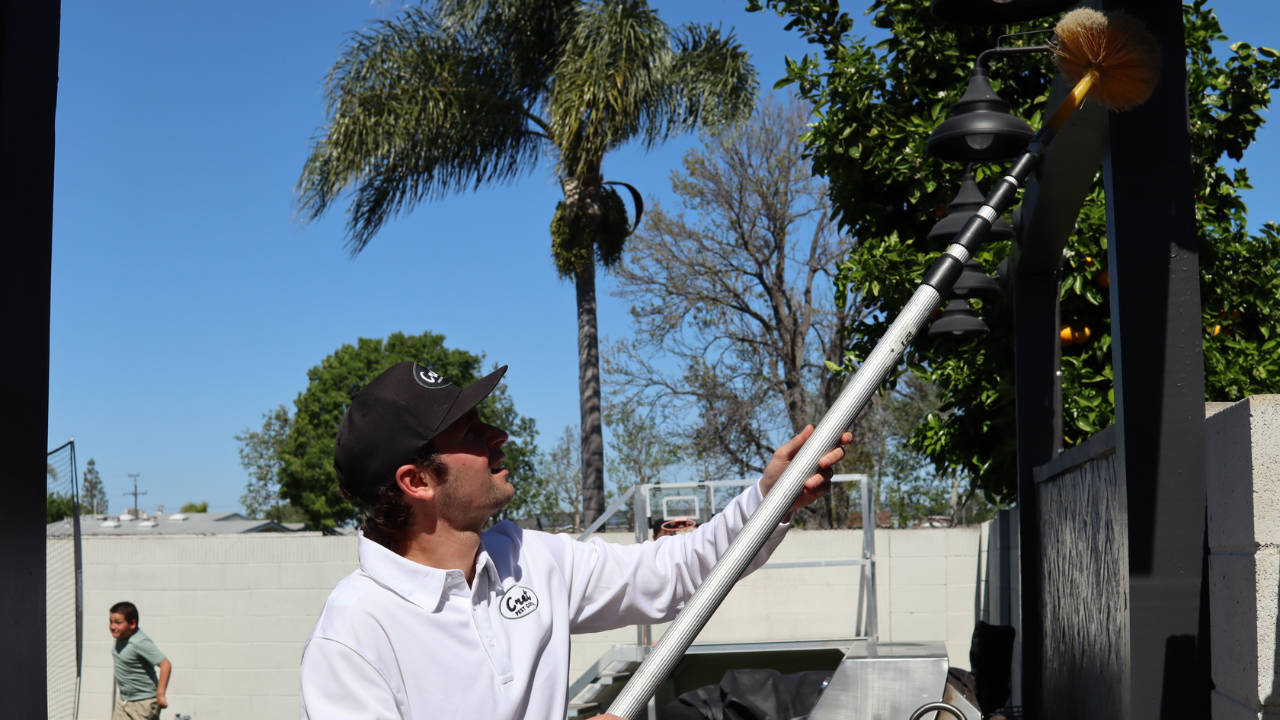
The best way to get rid of wasps is to deal with nests while they are small and to remove the things that draw wasps to your yard in the first place. Once summer hits full swing in Orange County, a nest that was the size of a golf ball in spring can grow into a busy colony of hundreds. If a nest is already large or near a doorway, that is a job for our wasp and stinging insect control team rather than a can of spray from the hardware store.
Here is how wasp season plays out locally, what you can do now, and where the line is between a do-it-yourself job and a call to a pro.
Why wasps get worse in summer
Wasp queens start small nests in spring. Through the warm months, the colony grows and the workers become more active and more defensive as they protect a larger nest and a new generation of queens. By mid to late summer, our long warm Orange County days give them the longest possible feeding window, and that is when most stings and most calls happen. Late summer wasps are also hungrier and bolder. As natural food sources thin out, they start showing up around patios, trash cans, and anywhere there is sweet food or drink, which is exactly when backyard barbecues are in full swing.
What attracts wasps to your yard
Wasps come around for food, water, and good nesting spots. The usual draws are sweet smells from soda, juice, fruit, and open trash; protein like meat on the grill early in the season; standing water in dishes, gutters, and pet bowls; and sheltered spots to build such as eaves, patio covers, door frames, vents, and shrubs. Reduce those and you make your yard a lot less appealing. Keep outdoor trash sealed, clean up spills and fallen fruit, rinse recyclables, and empty standing water.
How to prevent wasp nests before they start
Prevention is far easier than removal. Early in the season and through summer, walk your property every couple of weeks and look under eaves, in the corners of patio covers, around door and window frames, inside the BBQ, and in dense shrubs. Seal gaps around the roofline, vents, and exterior walls where wasps slip in to build. Knock down brand-new, penny-sized nests early in the morning when wasps are slow, only if the nest is small, easy to reach, and you are not allergic. Catching a nest at the very start is the difference between a quick fix and a real problem.
How to get rid of wasps safely
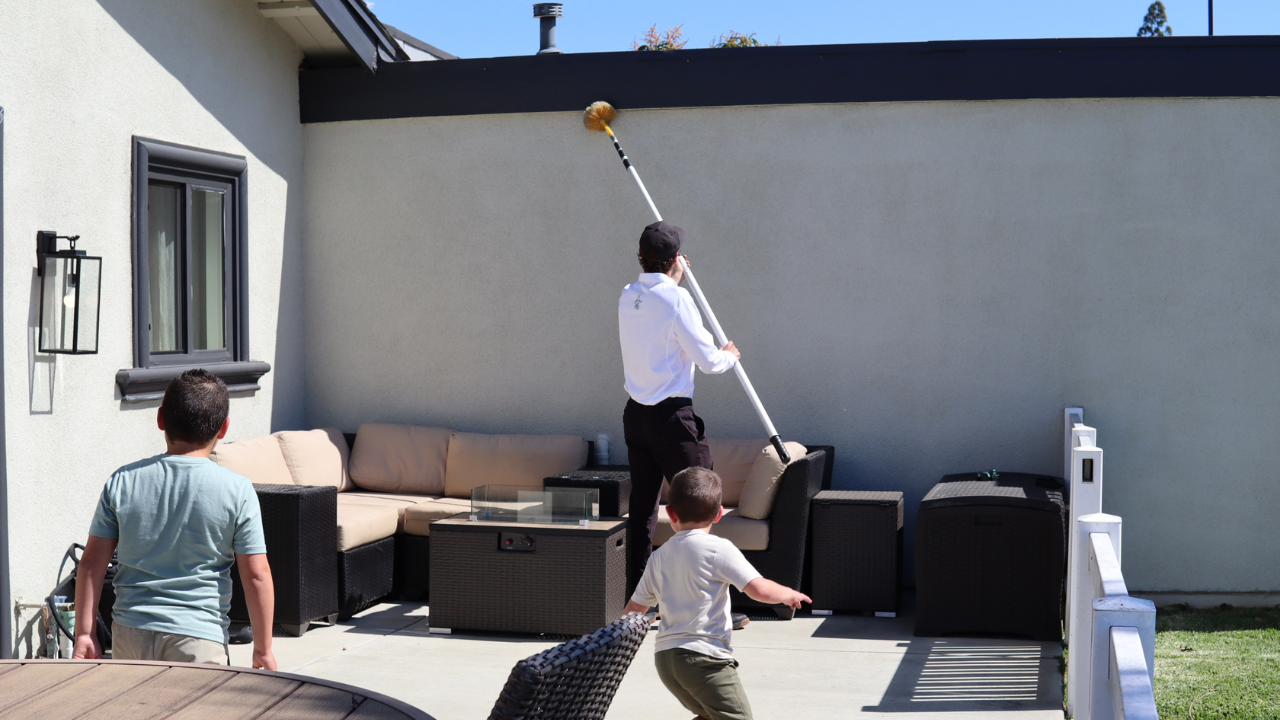
If you already have wasps, here is the safe approach. For a small, low, exposed nest: treat it after dark when wasps are inside and calm, wear long sleeves, and keep an exit path behind you. Never stand on a ladder while treating a nest, because the natural reaction to defensive wasps can knock you off balance. For anything bigger or hidden: stop and call a professional. Nests inside a wall void, in the attic, high under a roofline, or underground are dangerous to disturb. Yellow jackets in particular will defend a hidden nest aggressively and can sting repeatedly. Our guide on wasp nest removal: DIY or call a pro breaks down exactly where that line is.
When to call Crest
Call a professional right away if the nest is large, hard to reach, inside a structure, or if anyone in the home is allergic to stings. A sting reaction can turn serious fast, and it is not worth the risk to save a service call. Our stinging insect control handles paper wasps, yellow jackets, and hornets, removes the nest, and treats the area so a new colony does not move into the same spot. We do it carefully around kids, pets, and your outdoor space, and our prevention plans keep watch through the rest of the season so you are not back here next month.
To get a nest handled before it grows, call us at (949) 943-5000.
Frequently asked questions
What is the fastest way to get rid of wasps? For a small, exposed nest, treating it after dark when wasps are inside is the fastest safe option. For a large or hidden nest, calling a professional is faster and far safer than repeated do-it-yourself attempts that only make the colony defensive.
When is wasp season in Orange County? Activity picks up in spring as queens start nests and peaks from mid to late summer, when colonies are largest and wasps are most defensive. Our warm climate stretches the active season later than in cooler regions.
Should I remove a wasp nest myself? Only if it is small, low, easy to reach, and no one in the home is allergic. Nests that are large, high, underground, or inside a wall should be left to a professional, since disturbing them can trigger swarming and multiple stings.
What is the difference between wasps and bees? Wasps have smooth, narrow bodies and can sting more than once, while bees are fuzzier and usually sting only once. Bees are important pollinators, so we focus on safe wasp and yellow jacket control and recommend relocation for honeybee colonies where possible.
How do I keep wasps away from my patio? Keep food and sweet drinks covered, seal trash, clear standing water, and remove early nests before they grow. Regular exterior treatment around eaves and patio covers also discourages wasps from building where you gather.
