
How Orange County Landscaping Attracts Ants to Your Home
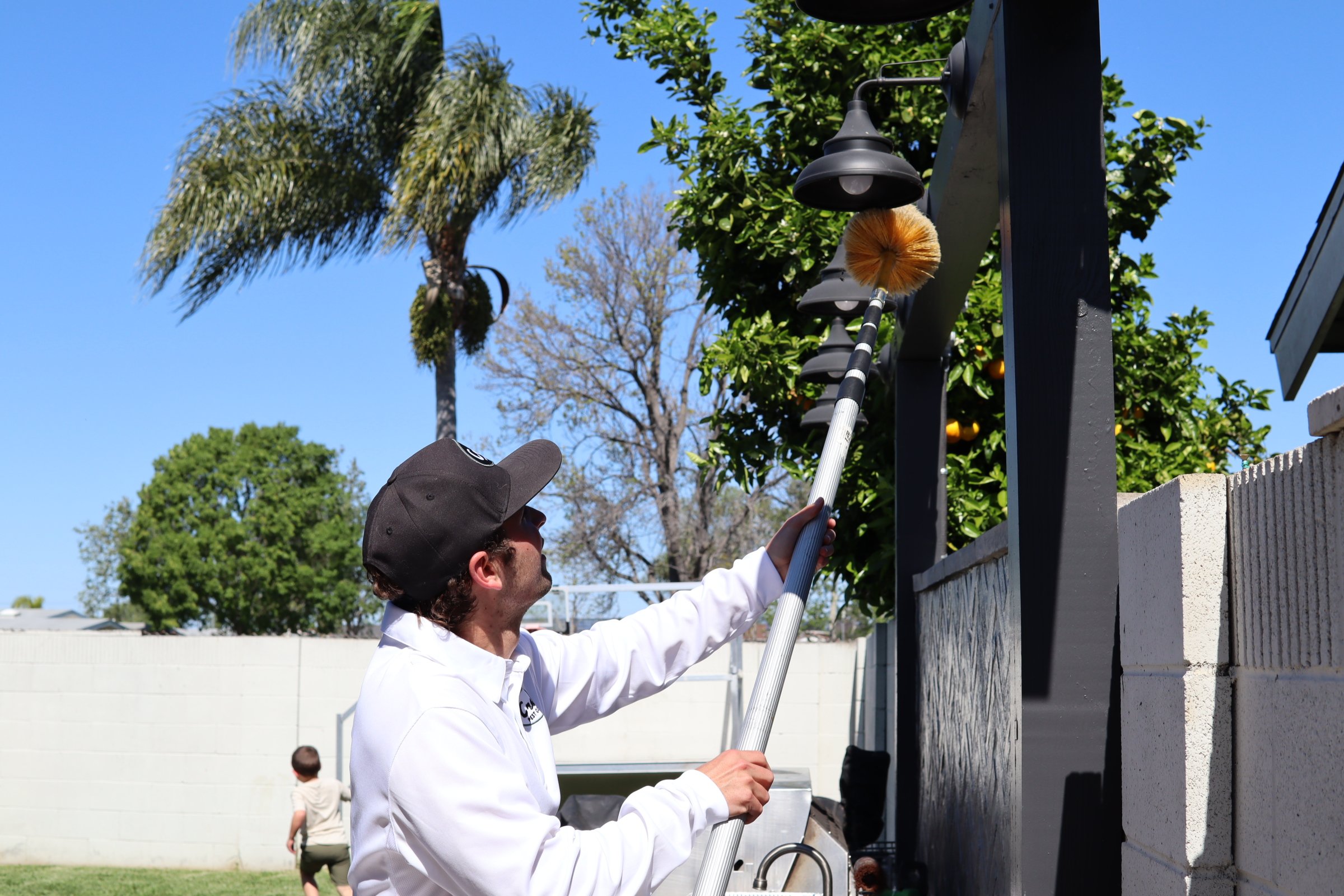
Orange County's beautiful landscaping is one of the area's defining features, but it can also be a major attractant for ants. Understanding how your yard might be inviting these pests can help you make changes that reduce ant activity around your home.
Moisture Issues in Your Yard
Moisture is one of the biggest attractants for ants in Orange County landscaping. Overwatering, poor drainage, leaky irrigation systems, and areas where water pools create ideal conditions for ant colonies. Many ant species, including Argentine ants and odorous house ants, are particularly drawn to moisture-rich environments. If your landscaping stays consistently wet or has areas with standing water, you're essentially rolling out the welcome mat for ants.
Problems With Mulch Beds
Mulch beds are another common problem. While mulch is great for retaining soil moisture and controlling weeds, it also provides perfect nesting habitat for ants. Thick layers of organic mulch create dark, moist environments where ants can establish colonies close to your home's foundation. If mulch is piled against your siding or foundation, ants have an even easier pathway into your house.
Aphid-Infested Plants
Aphid-infested plants are a major ant attractant that many homeowners don't realize. Aphids produce a sweet substance called honeydew that ants feed on. In fact, ants will actually protect and farm aphids because of this food source. If you have plants covered in aphids, you're likely also attracting large numbers of ants to your yard.
Vegetation Touching Your Home
Overgrown vegetation touching your home creates ant highways. Shrubs, trees, and vines that make contact with your house provide easy access routes for ants to travel from their outdoor colonies directly into your home. Keeping vegetation trimmed back at least 12 inches from your house eliminates these bridges.
Dense Ground Covers
Ground covers like ivy and vinca can harbor massive ant colonies. While these plants look attractive and help prevent erosion, they create dense, protected environments where ants can nest undisturbed. Large ant populations living in ground cover near your home will inevitably find their way inside.
Fruit Trees and Fallen Fruit
Fruit trees and fallen fruit are irresistible to many ant species. Common attractants include:
Citrus trees (particularly problematic in Orange County)
Stone fruit trees (peaches, plums, apricots)
Fig trees
Fallen or rotting fruit on the ground
Overripe fruit still on branches
Regularly harvesting fruit and cleaning up any that falls can significantly reduce ant activity.
Compost Bins and Organic Waste
Compost bins and organic waste are ant magnets. While composting is environmentally friendly, compost bins that aren't properly maintained can attract large numbers of ants. If your compost bin is close to your house, you're inviting ants to set up colonies nearby.
Decorative Rock and Hardscaping
Decorative rock and hardscaping can also harbor ant colonies. The spaces under stones, between pavers, and in rock beds provide protected nesting sites where ants can thrive. When combined with irrigation that keeps these areas moist, you've created ideal ant habitat right next to your home.
Decaying Wood and Tree Stumps
Tree stumps and decaying wood in your yard attract carpenter ants. These large ants excavate wood to create nests, and while they prefer moisture-damaged wood, they'll also infest healthy wood in some cases. Removing old stumps and cleaning up fallen branches reduces carpenter ant habitat.
Outdoor Pet Feeding Areas
Bird feeders and pet feeding areas outside can attract ants as well. Spilled birdseed, pet food left outside, and even pet water bowls all provide food and water sources that ants need to thrive.
Making Your Landscape Less Attractive
The good news is that with some strategic changes, you can make your landscaping less attractive to ants:
Improve drainage and reduce overwatering
Pull mulch back from your foundation
Trim vegetation away from your home
Remove fallen fruit promptly
Treat aphid infestations
Properly maintain compost bins
Clean up outdoor pet feeding areas
At Crest Pest Control, we don't just treat ant infestations-we help you identify the landscaping factors that are contributing to your ant problem. Our ant control services include recommendations for making your property less attractive to ants so you can enjoy your outdoor spaces without constant pest pressure. Contact us today to schedule an inspection and learn how we can help you create an ant-resistant landscape.