
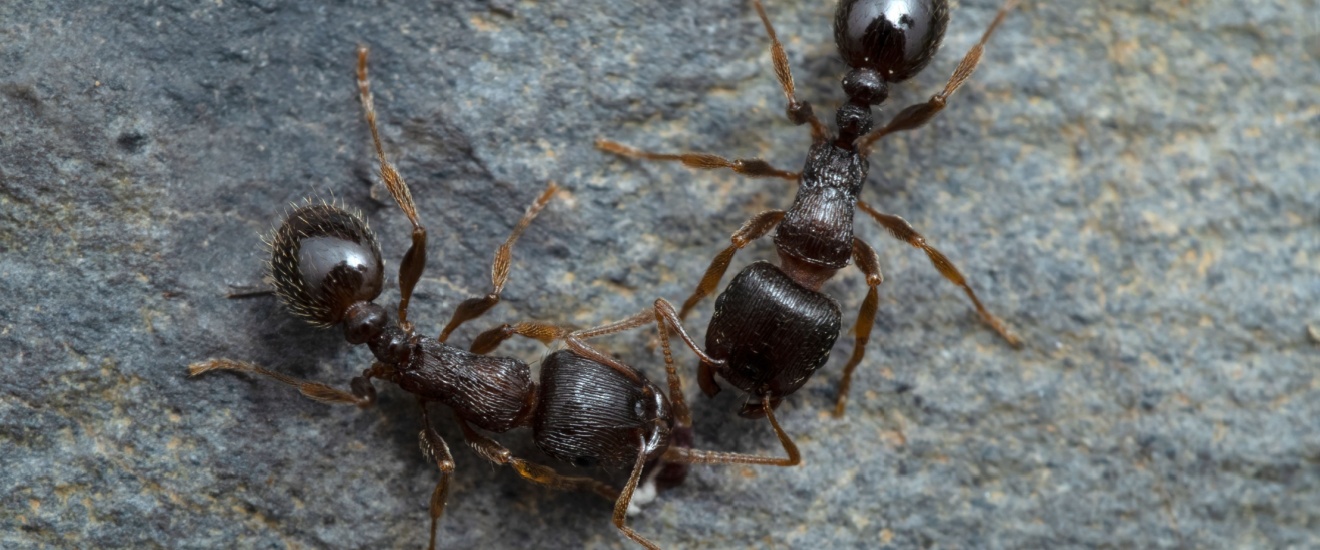
Ants might be small, but their impact on your home can be anything but. In Orange County, the mild climate makes it easy for these pests to invade kitchens, bathrooms, patios, and crawlspaces year-round. Whether they show up as a harmless-looking trail or suddenly swarm around food storage, the presence of ants often signals a much larger colony hiding nearby.
But not all ants behave the same. From sugar-loving foragers to wood-destroying invaders, different ant species in Orange County require distinct tactics to get rid of them effectively. Pinpointing which kind you’re dealing with is key—and understanding their habits is the foundation of a successful ant control strategy.
Even subtle signs of activity could mean something bigger is going on beneath the surface. This might be the perfect moment to explore pest management tailored to your space.
Argentine Ants
Argentine ants are arguably the most dominant species in Southern California. What makes them especially problematic is their ability to form massive interconnected colonies that span entire neighborhoods—sometimes merging with other colonies instead of fighting them. They thrive in moist environments and are extremely adaptable, often nesting beneath stones, logs, and foundations or inside irrigation systems. Indoors, they follow scent trails to sweet foods and water sources.
Due to their population size and nesting behavior, Argentine ants are challenging to treat with basic solutions. Effective control requires breaking the colony network, not just removing individual trails.
Carpenter Ants
These large, black ants are serious business. Unlike termites, carpenter ants don’t eat wood—they hollow it out to build nests. Over time, this can compromise the structural integrity of walls, beams, and attics. They tend to favor damp or decayed wood, which makes leaky roofs and plumbing especially attractive. You might hear faint tapping in your walls or discover piles of frass—tiny wood shavings—near baseboards or door frames.
They’re primarily nocturnal, so daytime sightings are rare. If you spot one out in the open, it could be a scout—and it’s wise to act quickly before the colony expands.
Odorous House Ants
Odorous house ants are small, fast-moving, and infamous for their rotten coconut-like smell when crushed. They’re drawn to sugary spills and crumbs, often making their way into pantries, bread boxes, and storage containers. What sets them apart is their tendency to relocate nests frequently, especially when disturbed. They often settle in wall voids, under flooring, or within insulation layers.
Their ability to move quickly and adjust nesting locations makes DIY treatment unreliable. A more strategic approach—baiting and monitoring—is usually necessary for full removal.
Pavement Ants
Pavement ants build colonies underneath sidewalks, driveways, and patio stones, often going unnoticed until they venture indoors for food. Their small size and slow movement make them appear less threatening, but they can quickly establish multiple satellite nests inside wall voids or behind baseboards. These ants will eat almost anything—crumbs, pet food, grease, sweets—which makes kitchens and pantries ideal targets.
If left unchecked, their numbers grow steadily. And because they nest outdoors and indoors simultaneously, both areas must be treated to stop the cycle.
Pharaoh Ants
Pharaoh ants may be tiny, but they’re one of the hardest species to control. Yellowish in color and almost translucent, they’re highly adaptable and known carriers of bacteria like Salmonella and Streptococcus. They’re commonly found in warm indoor areas like wall voids, electrical outlets, and kitchen cabinetry. The biggest complication? Their nesting behavior—when threatened, colonies split into new groups called “satellite colonies,” making the infestation worse.
Treating Pharaoh ants takes patience and precision. Improper use of sprays or bait can trigger colony dispersion, so professional-grade bait systems are usually the safest bet.
How to Get Rid of Ants in Orange County
Getting rid of ants isn’t about chasing the ones you can see—it’s about eliminating the ones you can’t. Many infestations start small, but without a strategic approach, they rapidly expand into walls, crawlspaces, and outdoor structures. Here’s how to prevent that:
- Seal Cracks, Gaps, and Entry Points: Ants can squeeze through tiny crevices in window frames, baseboards, exterior siding, and door thresholds. Use silicone caulk or weather-resistant sealants to close off their entry. Pay special attention to areas around plumbing and electrical outlets, which often act as hidden gateways.
- Keep Your Space Scrupulously Clean: Routine cleaning helps, but precision matters. Wipe up sugary spills immediately, vacuum pet food areas daily, and sanitize trash bins inside and out. Even a crumb behind the toaster or a sticky syrup ring under a bottle cap can attract a whole colony.
- Eliminate Excess Moisture: Argentine ants and Odorous House Ants in particular love damp environments. Fix leaks under sinks, insulate pipes to prevent condensation, and use a dehumidifier in problem areas like basements, laundry rooms, or garages. Outdoor irrigation should also be checked—excess watering near the foundation is a major attractant.
- Use Targeted Baits Over General Sprays: Over-the-counter sprays can scatter ants, causing colonies to fracture and relocate. Instead, use slow-acting bait systems that allow ants to carry the poison back to the nest. Baits infused with sugar or protein should match the feeding preferences of the species you’re targeting. Proper placement is essential—set bait stations near trails, wall junctions, or wherever activity is noticed.
- Don’t Underestimate Outdoor Colonies: Just because ants are inside doesn’t mean that’s where the colony is. Many infestations start outdoors: along pavement cracks, landscaping borders, or under mulch beds. Treating the perimeter of your home—including fence lines and foundation edges—creates a defensive barrier. Crest Pest Control specializes in seasonal outdoor treatments designed for Orange County’s unique conditions.
- Schedule Proactive Service, Not Just Reactive Treatment: Ants tend to return when conditions are right. That’s why proactive pest control—done seasonally or at intervals recommended by a technician—can stop colonies from reforming. Crest’s customized plans take weather patterns, structural layout, and local ant activity into account.
For effective ant control solutions in Orange County, it’s not just about what you use—it’s about how, where, and when you use it. Crest Pest Control brings expert precision and family-friendly options to keep your home protected long term.
Built for Southern California Homes Like Yours
Whether it’s a full-blown infestation or just a couple of scouts, Crest Pest Control is equipped to handle the most common ants in Orange County. There’s no single answer to pest problems—that’s why we tailor each plan with care, keeping safety and long-term results at the core.
Our team understands that ant issues aren’t just inconvenient—they’re disruptive to your daily life. That’s why every service is backed by our satisfaction guarantee and designed to be fast, reliable, and family-safe. From targeted indoor treatments to comprehensive perimeter defense, we offer personalized plans that fit your home and lifestyle.
You shouldn’t have to settle for “good enough.” At Crest, we ask ourselves, what would the world’s best pest control company do?—and then we do it. Contact Crest Pest Control now and let’s put a stop to ant invasions—before they spread any further.